
Four ways real-time data can improve medical reporting
Real-time access to patient data is no longer a technical bonus, it’s essential to modern care. Hospitals, clinics, and home health providers are using real-time healthcare data to reduce errors, spot risks sooner, and communicate more clearly across care teams.
When integrated into EHRs that support HL7 standards, it supports better outcomes with fewer delays. Here are four ways that immediate data access is improving how medical information is recorded, shared, and acted on.
1. Fewer errors from delayed or manual input
Real-time charting means clinicians enter data as it happens, directly at the point of care. That eliminates the gap between observing and recording, which is where mistakes often creep in.
Instead of relying on memory or copying notes from paper later, providers use mobile devices or terminals to input vitals, symptoms, and notes immediately. This reduces the risk of transcription errors, missed details, or incorrect timestamps.
Accurate real-time patient data access improves the reliability of everything that comes next: treatment plans, medication orders, and referrals.
2. Faster response to early warning signs
Real-time systems aren’t just for documentation. Many now include built-in alerts that flag abnormal vitals or test results as soon as they’re recorded. This allows providers to respond faster to risks like infection, respiratory distress, or high blood sugar.
For example, a home health nurse monitoring a patient’s temperature remotely might get an alert via the EHR system when it spikes unexpectedly. That early warning could trigger a check-in, lab test, or immediate call to the physician, before the condition escalates.
Real-time patient monitoring enhances both safety and outcomes, particularly for high-risk individuals or those recovering at home, where potential issues might go unnoticed during isolated check-ups.
3. Better public health insights
When EHR data is collected and shared in real time, it’s easier for public health agencies to spot emerging issues.
Trends in flu symptoms, rising blood pressure in a local population, or vaccine coverage gaps can be seen early, not weeks later. This supports faster decisions about resource allocation, prevention efforts, and policy changes.
Real-time healthcare data also helps practices adjust on the ground, tailoring care plans, managing medications, or scheduling follow-ups based on current data, not last quarter’s reports.
4. Clearer communication between providers
Real-time data sharing between providers avoids the all-too-common delays caused by siloed systems. When one provider updates a chart, others involved in the patient’s care see it instantly.
No more duplicate tests, conflicting medication lists, or more calling around for records.
This kind of real-time healthcare coordination saves time and prevents mistakes. It’s especially useful when patients are moving between settings, i.e., hospital to rehab, or clinic to specialist.
Additionally, since most modern systems rely on HL7 standards, it doesn’t matter if each provider uses a different vendor. As long as those systems are interoperable, the data flows.
So, what is real-time patient monitoring, really?
It’s the ability to watch over a patient’s status: vitals, test results, symptoms, as it happens. That might mean sensors feeding oxygen levels into an EHR every few seconds. It might mean a nurse sees an alert when a heart rate spikes.
The key is that no one’s waiting for the next shift to catch a problem.

Free white paper
EHR Vendor Directory
Get the most up-to-date directory of EHR software vendors. Find the best software for your practice.
Related articles
-
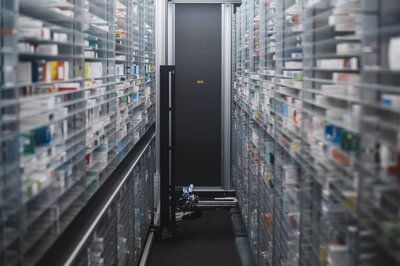
Robotics and healthcare: what does the future hold?
How advances in healthcare robotics technology could affect patient care and ease an impending he...
-

Introducing "Actions": The AI-Powered Tool That’s Transforming Primary Care Workflows
70% of clinicians are reporting better focus & engagement with their patients thanks to Elation H...
-

Integrating EHR and medical billing: three challenges
How to deal with challenges integrating EHR with your medical billing system