
The role EHR plays in remote care best practice
With the rise of cloud-based EHR systems, telehealth services, and remote patient monitoring (RPM) devices, remote care has become much easier than it was in the past.
Recent studies demonstrate that telemedicine and remote monitoring together significantly improve chronic disease outcomes, reduce barriers to access, and yield cost savings for both health systems and patients.
Facilitation of doctor-patient communication
Remote care only works when communication remains clear, timely, and clinically meaningful. Remote patient monitoring improves these interactions by grounding conversations in recent, objective data rather than patient recall alone.
During telehealth visits or secure EHR messaging, clinicians can reference trends from devices like blood pressure or glucose patterns to focus discussions and make decisions sooner.
The benefit comes from how the data is presented. When EHR systems surface relevant summaries and alerts instead of raw data streams, communication stays focused and actionable.
Automated documentation of patient encounters
In order to regulate best practice for remote care, encounters must be documented. EHRs used for remote care should have an automated documentation field for communications between patient and physician, or the electronic messaging should be automatically input into the patient record.
It is too easy to misinterpret information unless there is a written record. Within the EHR system, there should be a system of tracking communication points and for tracking follow-through by the patient. This way, compliance with physician instruction can be monitored. If there is no compliance by the patient, the physician still has documented oversight.
The convenience of mobile EHR
Mobile EHRs can facilitate comprehensive patient care to improve patient outcomes and health. This includes automated notifications for needed referrals, automated medication interaction review, and increased patient access to their own medical information. Recommended screenings and laboratory tests can be automatically recommended based on time since last evaluation, patient age, and medical history.
Security of personal data
Above all, remote care EHRs must be able to maintain patient security and privacy in order to ensure best practice.
As healthcare data extends beyond clinics into homes and mobile networks, systems must protect privacy through authentication, data encryption, and role-based access controls. These protections are essential to preserve trust and meet regulatory requirements.
Additionally, RPM implementations should enforce secure data transmission from devices to provider systems and include regular audits of access logs, anomaly detection, and patient consent management.
Final thoughts
When integrated thoughtfully, remote patient monitoring, telehealth, and EHR systems improve access, support clinical decision-making, document care precisely, and help manage chronic conditions more effectively than episodic clinic visits alone.
Evidence continues to build in favor of structured, protocol-driven RPM programs that integrate with EHR workflows and support clinicians and patients alike.

Free white paper
EHR Software Comparison
A hand-picked comparison of leading EHR software systems
Related articles
-
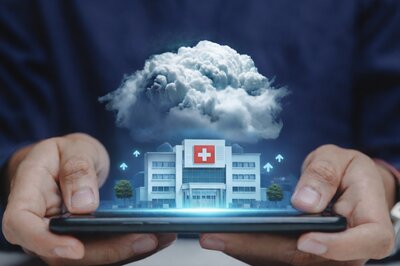
Cloud EHR vs on-premise EHR: an objective comparison
The main factors to consider when choosing between a cloud EHR or an on-premise EHR
-

Introducing "Actions": The AI-Powered Tool That’s Transforming Primary Care Workflows
70% of clinicians are reporting better focus & engagement with their patients thanks to Elation H...
-
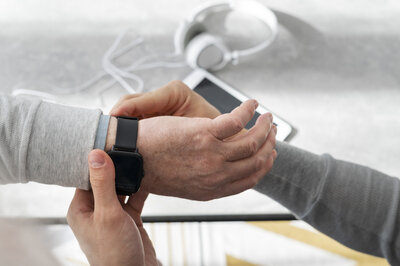
Health apps, wearables and the potential for EHR integration
Could health apps and wearable health technology be integrated into EHR software? We look at some...